
Leading Foundation Repair Equipment For Professional And DIY Projects
Select from top-quality products suited for both professional contractors and DIY enthusiasts aiming for solid results.
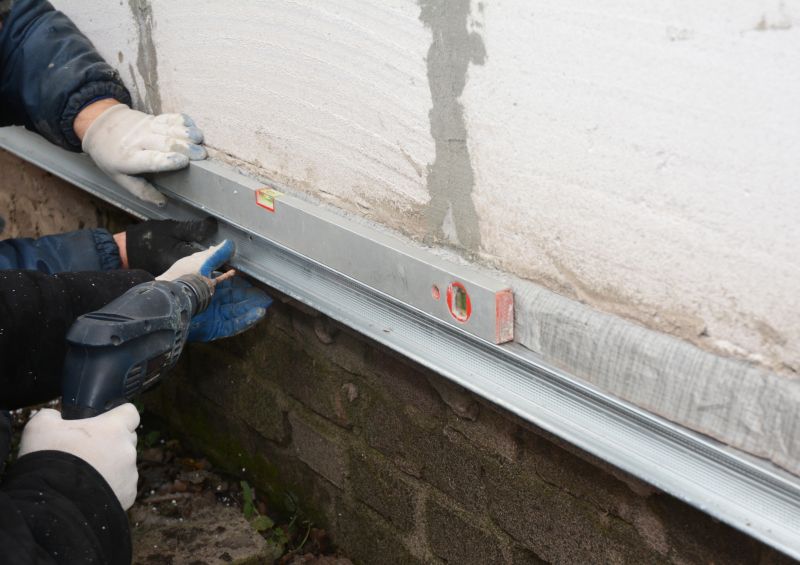 Foundation repairs are essential for maintaining the stability and safety of a structure. When signs of foundation issues such as cracks, uneven floors, or sticking doors appear, it is important to explore the range of products available to address these concerns effectively. Various repair products are designed to stabilize, lift, or reinforce foundations, each suited to different types of issues and soil conditions. Understanding the options can help homeowners and contractors make informed decisions tailored to specific needs.
Top Overall Option
Universal Foundation Stabilization System
This versatile system is designed to provide foundational support through adjustable piers and reinforcement components. It is suitable for a variety of foundation types and soil conditions, offering a customizable approach to stabilization. The system's modular design allows for precise adjustments and easy installation, making it a popular choice among professionals. Its adaptability and comprehensive support features make it a reliable option for many foundation repair scenarios.
Types of Products For Foundation Repairs
Helical Piers
Helical piers are screwed into the ground to provide stable support for sinking or settling foundations, especially in variable soil conditions.
Push Piers
Push piers are hydraulically driven into the soil beneath a foundation to lift and stabilize structures affected by settling.
Slab Jacking Foam
Polyurethane foam injections lift and level sunken concrete slabs, often used for driveways and patios.
Epoxy Crack Injection
Epoxy injections seal and reinforce cracks in concrete foundations, preventing water intrusion and further deterioration.
Polyurethane Foam Injection
Polyurethane foam is used to fill voids and stabilize soil beneath foundations, offering a quick and minimally invasive solution.
Underpinning Systems
Underpinning involves extending the foundation depth to more stable soil layers, often using piers or piles.
Concrete Lifting Cables
Cables are used to lift and level uneven concrete slabs, providing a cost-effective repair method.
Soil Stabilization Products
These products improve soil strength and reduce shifting or settling, enhancing foundation stability.
Drainage and Waterproofing Membranes
Waterproofing solutions help prevent water infiltration that can weaken foundations over time.
Foundation Braces and Supports
Braces provide lateral support to walls and foundations, especially in cases of bowing or leaning structures.
Anchor Bolts and Plates
Anchors secure foundation elements to the ground, offering reinforcement against shifting forces.
Popular Choices
A common choice for stabilizing sinking foundations, especially in challenging soil conditions.
Frequently used for lifting and stabilizing settling foundations with hydraulic installation.
Popular for quick and minimally invasive slab leveling and void filling.
Commonly employed to seal cracks and reinforce concrete structures.
Chosen for deep foundation stabilization in cases of severe settlement.
Used for leveling uneven concrete surfaces efficiently.
Effective in preventing future shifting by improving ground stability.
Essential for protecting foundations from water damage and erosion.
Helpful for preventing further bowing or leaning of foundation walls.
Used to reinforce and secure foundation elements against lateral forces.
The selection of foundation repair products depends on factors such as the severity of the problem, the type of foundation, and the underlying soil conditions. Products like helical piers, push piers, and slab jacks are commonly used to lift and stabilize sinking or settling foundations. For minor cracks and surface issues, epoxy injections and polyurethane foam injections can be effective. It is also important to consider the compatibility of repair products with existing structures and the ease of installation.
Proper application of foundation repair products can extend the lifespan of a building and prevent further damage. While some repairs may be handled by experienced DIY enthusiasts, many situations require the expertise of licensed professionals to ensure safety and effectiveness. Consulting with a foundation specialist can help determine the most appropriate solutions and avoid unnecessary expenses. Regular maintenance and inspections are recommended to catch issues early and select suitable repair products accordingly.
By understanding the variety of foundation repair products available, property owners in Decatur, IL, can better prepare for potential issues and choose options that align with their specific circumstances. Staying informed about the latest repair solutions can contribute to the long-term stability and safety of any structure.
Key Buying Considerations
- Assess the severity and type of foundation issue before selecting products.
- Understand the soil conditions and how they influence repair options.
- Choose products compatible with your foundation type, whether slab, basement, or crawl space.
- Consider the longevity and durability of the repair materials used.
- Evaluate whether professional installation is recommended or if DIY options are suitable.
- Check for ease of access to the repair site for installation and future inspections.
- Review manufacturer warranties and support for the products.
- Determine the potential need for ongoing maintenance or follow-up repairs.
- Ensure that the products meet local building codes and safety standards.
- Compare the installation costs and timelines associated with different products.
- Look for products that allow for adjustments and future modifications if needed.
- Consider the environmental conditions, such as moisture levels, that may affect product performance.
- Research customer reviews and expert opinions to gauge product effectiveness.
- Verify the availability of professional service providers familiar with the products.